If you’re installing an EV charger at home, you may have come across terms like RCD, RCBO, Type A, Type B and 6mA DC protection and wondered what you actually need.
The short answer is: EV chargers need appropriate residual current protection, but a Type B RCD is not automatically required for every installation. The correct protection depends on the charger, how it detects DC leakage and the requirements applying to the installation.
For homeowners, the important thing is not simply choosing the most expensive RCD. It is making sure the charger and protective devices work together correctly. At Espresso Electrical, we assess your EV charger, switchboard and installation requirements to recommend the right protection for your home. Read on to understand what RCD and Type B protection means for your EV charger.
Need a Reliable Local Electrician?
From repairs and installations to electrical upgrades, Espresso Electrical delivers safe, professional solutions with quality workmanship you can trust.
Call Us On
What Is an RCD?
A Residual Current Device, or RCD, is a safety device designed to disconnect electrical supply when it detects an imbalance that can indicate current leaking to earth.
You may know an RCD as a safety switch. An RCBO combines residual current protection with overcurrent protection in one device.
For an EV charger, this protection is particularly important because charging equipment contains electronic components that can produce different types of residual current.
Australian electrical requirements have also moved away from Type AC RCDs. Energy Safe Victoria states that Type AC RCDs must not be installed in Australia for new work, with Type A, Type B and Type F RCDs being the permitted categories.
Why Does EV Charging Need Special RCD Protection?
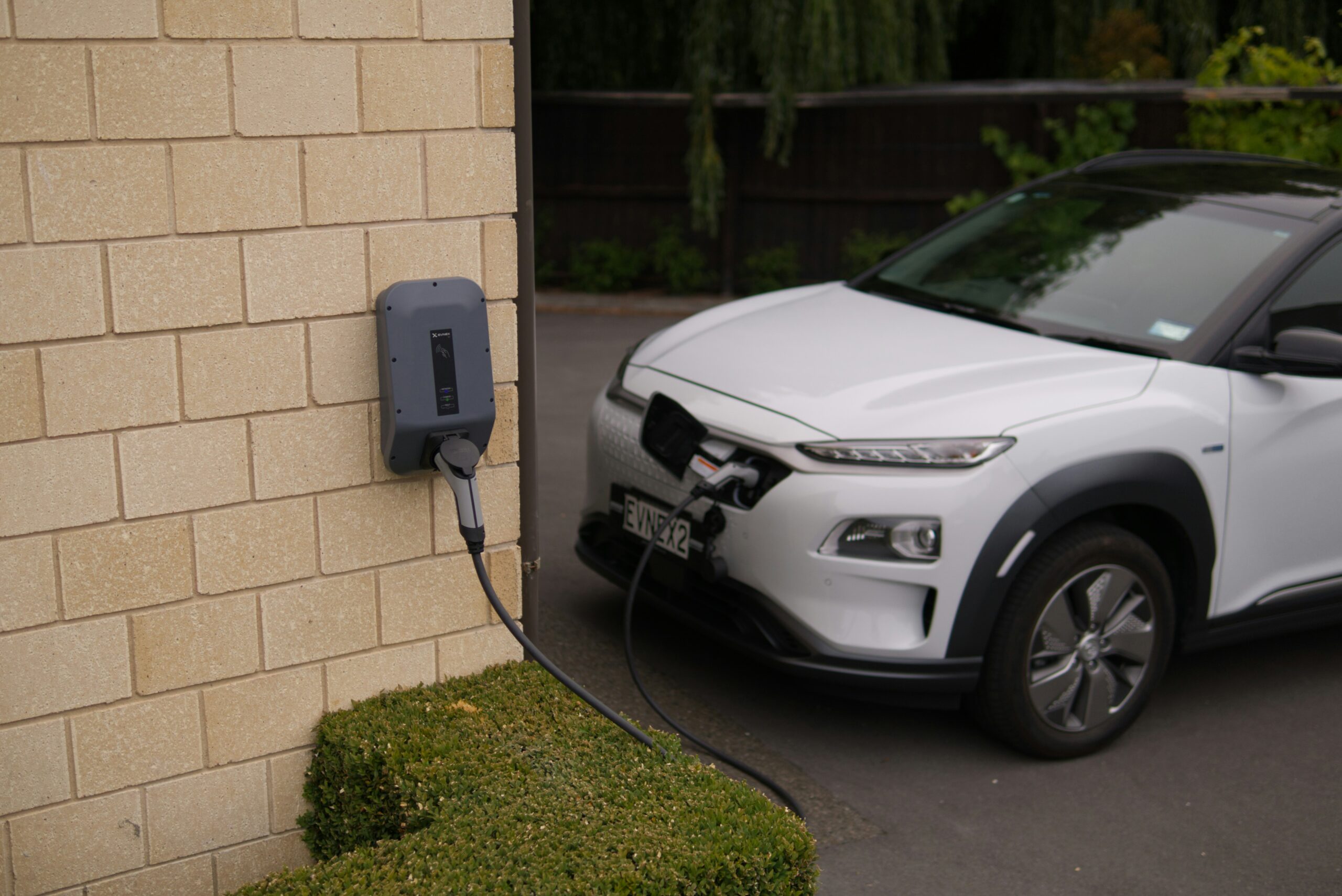
An EV charger isn’t simply another household power point.
During charging, the equipment can draw a substantial electrical load for an extended period. Its electronic components can also create DC residual current, which matters when selecting the right type of RCD.
The concern is that certain forms of DC leakage can affect how an unsuitable RCD responds.
That’s why EV charger installations need to consider both:
- AC residual current protection
- DC residual current protection
The Australian EVSE Installation Guideline explains that a Type A RCD can be suitable where the EV charging equipment provides protection that disconnects the supply if DC fault current exceeds 6mA. Where that DC protection isn’t provided by the charger, a Type B RCD may be required.
Do EV Chargers Need a Type B RCD?
Not necessarily! This is one of the most common misconceptions around EV charger installation.
A Type B RCD provides protection against a broader range of residual currents, including smooth DC residual current. However, a compatible EV charger may already incorporate 6mA DC residual current detection, commonly referred to as RDC-DD protection.
Where the charger provides the required DC fault protection, a Type A RCD may be used for the upstream circuit rather than installing a Type B RCD.
The important point is that the charger manufacturer’s specifications need to be checked before deciding which protection is appropriate. Master Electricians Australia also notes that AS/NZS 3000 does not simply require a Type B RCD for every EV charger circuit; manufacturer instructions need to be considered.
Type A vs Type B RCD
Understanding the basic difference can make the terminology much less confusing.
- Type A RCD: Designed to detect AC and pulsating DC residual currents. It can be appropriate for an EV charger when the charging equipment provides the necessary additional DC fault detection.
- Type B RCD: Provides broader residual current protection, including smooth DC residual currents. It can be used where the EV charging equipment does not provide the required DC protection.
- Type AC RCD: Designed for AC residual current only and is not suitable for new electrical work in Australia.
What Is 6mA DC Protection?
You may see 6mA DC detection mentioned in EV charger specifications.
This refers to equipment designed to detect residual direct current above the relevant threshold and disconnect the charging supply. In suitable EV charging equipment, this can provide the DC protection needed alongside an appropriate Type A RCD.
This is why simply looking at the RCD installed in your switchboard isn’t enough. Your electrician needs to consider the complete protection arrangement, including the EV charger itself.
Does Every EV Charger Have Built-In DC Protection?
No. Many modern residential EV chargers incorporate some form of DC residual current detection, but you shouldn’t assume that every charger does.
Before installation, the electrician should check the manufacturer’s documentation and determine exactly what protection the charger provides.
The Electric Vehicle Council’s installation guideline specifically notes that Type A protection can be acceptable when the EVSE can ensure disconnection for DC fault current above 6mA, while a Type B RCD is required where that capability isn’t provided.
That’s why buying a charger first and figuring out the electrical protection later isn’t always the best approach.
What About an RCBO?
For a residential EV charger, you may hear your electrician recommend a dedicated RCBO rather than separate circuit breaker and RCD components.
An RCBO combines:
- Overcurrent protection
- Residual current protection
- Circuit protection in one device
The exact device selected depends on the charger, circuit characteristics, electrical supply and applicable requirements.
For a dedicated EV charging circuit, the protective device needs to be correctly matched to the installation rather than selected simply because it has a particular amp rating.
Does an EV Charger Need Its Own Circuit?

In most residential installations, an EV charger should be supplied by a dedicated circuit rather than sharing a circuit with household appliances or general power outlets.
The Electric Vehicle Council’s EVSE installation guideline recommends a dedicated circuit for the EV charging equipment.
This also allows the electrician to properly assess:
- Available switchboard capacity
- Circuit protection
- Cable size
- Voltage drop
- Charging load
- Cable route
- Single-phase or three-phase supply
A dedicated circuit makes the installation easier to assess and provides a more appropriate setup for a charger that may operate for several hours at a time.
Does My Switchboard Need an Upgrade?
Not necessarily. An older switchboard doesn’t automatically mean you need a complete upgrade before installing an EV charger.
An electrician should assess the existing board and determine whether there is sufficient capacity and appropriate protection for the new circuit.
If an upgrade is required, it could involve additional protection, replacement of unsuitable equipment, changes to the switchboard or other electrical work.
At Espresso Electrical, the aim should be to identify these requirements before installation, rather than discovering them halfway through the job.
What About Older Type AC RCDs?
This is worth checking if you live in an older Melbourne home.
Type AC RCDs are no longer permitted for installation in Australia. Energy Safe Victoria confirms that Type AC RCDs must not be installed in Australia from 1 May 2023, while Type A, Type B and Type F devices are the appropriate RCD categories for new work.
That doesn’t necessarily mean every existing Type AC RCD in an older home must immediately be replaced. However, when carrying out new electrical work, your electrician needs to make sure the new installation complies with the requirements that apply to the work.
What Protection Does a 7kW EV Charger Need?
A typical 7kW single-phase home charger draws around 32 amps, so it needs a suitably designed dedicated circuit. But the RCD selection cannot be determined from the 7kW rating alone.
The electrician needs to consider:
- The charger: Does it incorporate 6mA DC residual current detection?
- The circuit: What type and rating of protective device is appropriate?
- The installation: What cable size, route and voltage-drop considerations apply?
- The switchboard: Is there enough capacity and appropriate protection?
- The manufacturer’s instructions: Does the charger specify a particular RCD arrangement?
This is why two homes with the same EV and the same 7kW charger could potentially have different installation requirements.
Type B RCD vs Built-In DC Detection: Which Is Better?
Neither is automatically “better” for every home. A Type B RCD offers broad protection against AC and DC residual currents, but it can be a more expensive option.
A charger with suitable built-in DC residual current detection can allow an appropriately selected Type A RCD to be used as part of the overall protection arrangement. The Electric Vehicle Council identifies this as a recognised approach for suitable EVSE installations.
The right choice is therefore the one that meets the applicable requirements and is compatible with your specific charger.
Can I Install an EV Charger Without an RCD?
For a professionally installed residential EV charging circuit, you shouldn’t assume that an RCD can simply be left out.
Residual current protection forms an important part of electrical safety, and the required protection needs to be determined based on the installation and equipment.
If an EV charger manufacturer specifies a particular protective arrangement, that information should be taken seriously rather than relying on what worked for another charger.
Why Professional EV Charger Installation Matters
An EV charger may look like a relatively simple wall-mounted appliance, but the electrical installation behind it is more involved. A licensed electrician needs to assess the charger, switchboard, circuit protection, cable route and electrical supply as one system.
At Espresso Electrical, we can help you work through the practical side of EV charger installation, including switchboard capacity, dedicated circuits and appropriate protection. The goal isn’t to automatically recommend a Type B RCD or an expensive switchboard upgrade. It’s to install the right protection for your charger and property.
FAQs
Do all EV chargers require a Type B RCD?
No. A Type B RCD is not automatically required for every EV charger. Where suitable DC residual current detection is incorporated into the charging equipment, a Type A RCD may be appropriate as part of the overall protection arrangement.
Is a Type A RCD safe for an EV charger?
It can be, provided the complete charging system meets the applicable requirements and the EV charger provides the necessary DC fault protection where required.
Why is Type B more expensive?
Type B RCDs provide broader residual current detection, including smooth DC residual current, and are generally more complex and expensive than Type A devices.
Can I use an existing power point for EV charging?
Portable charging equipment can operate differently from a permanently installed wall charger. If you’re considering regular overnight charging, a dedicated home EV charger should be assessed and installed by a licensed electrician.
How do I know which RCD my EV charger needs?
Check the charger’s technical documentation and have a licensed electrician assess the complete installation. The correct choice depends on the charger’s built-in DC protection, circuit design and applicable electrical requirements.
Get Your EV Charger Installation Checked
Not sure whether your EV charger needs a Type A, Type B or another protection arrangement? Espresso Electrical can assess your charger, switchboard and proposed installation location and explain exactly what your home needs.
Get a free quote for professional EV charger installation in Melbourne.
Get the Right Protection for Your Charger
Our licensed electricians match the RCD and circuit protection to your specific charger and switchboard, so your EV setup is safe and compliant.
Call Us On