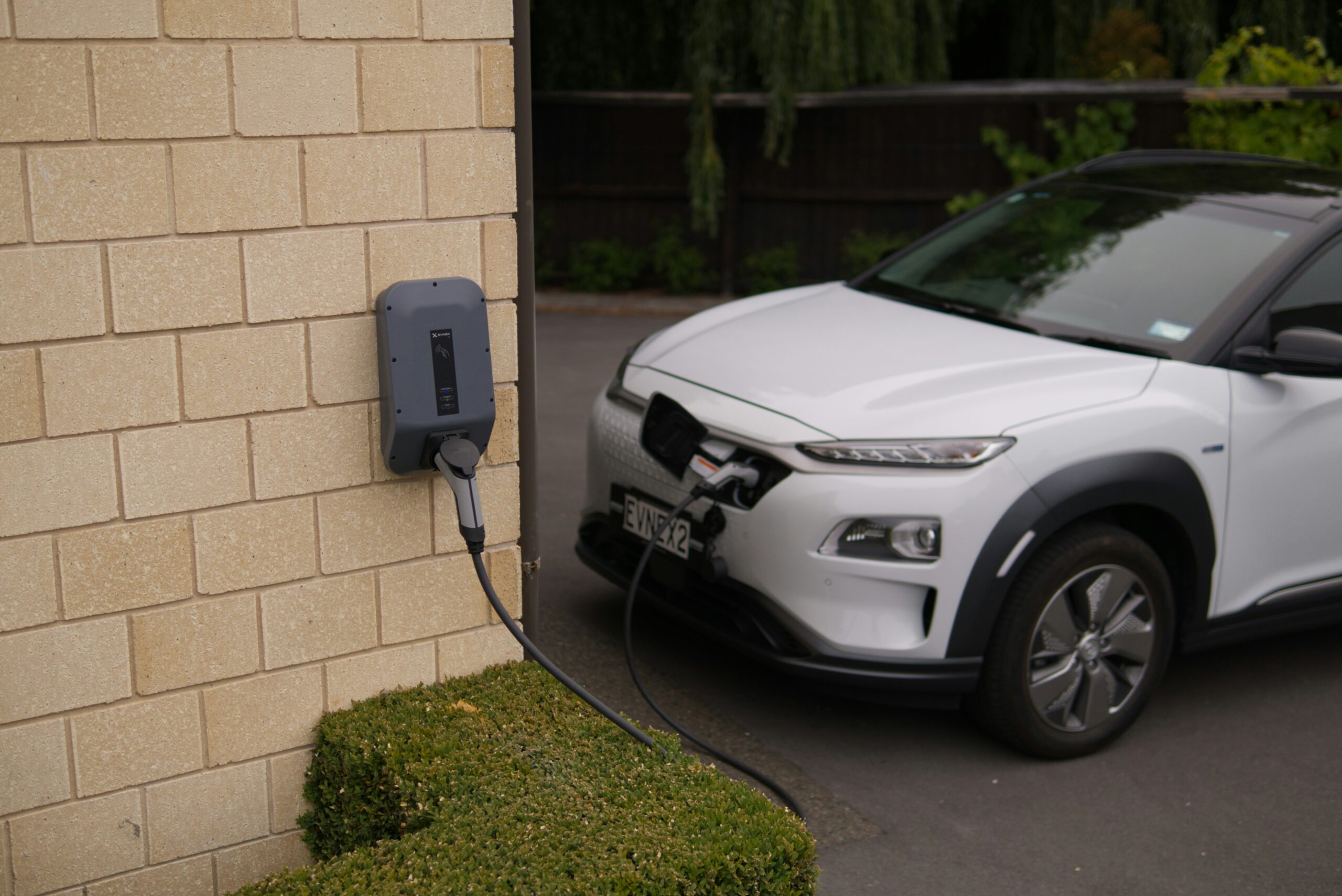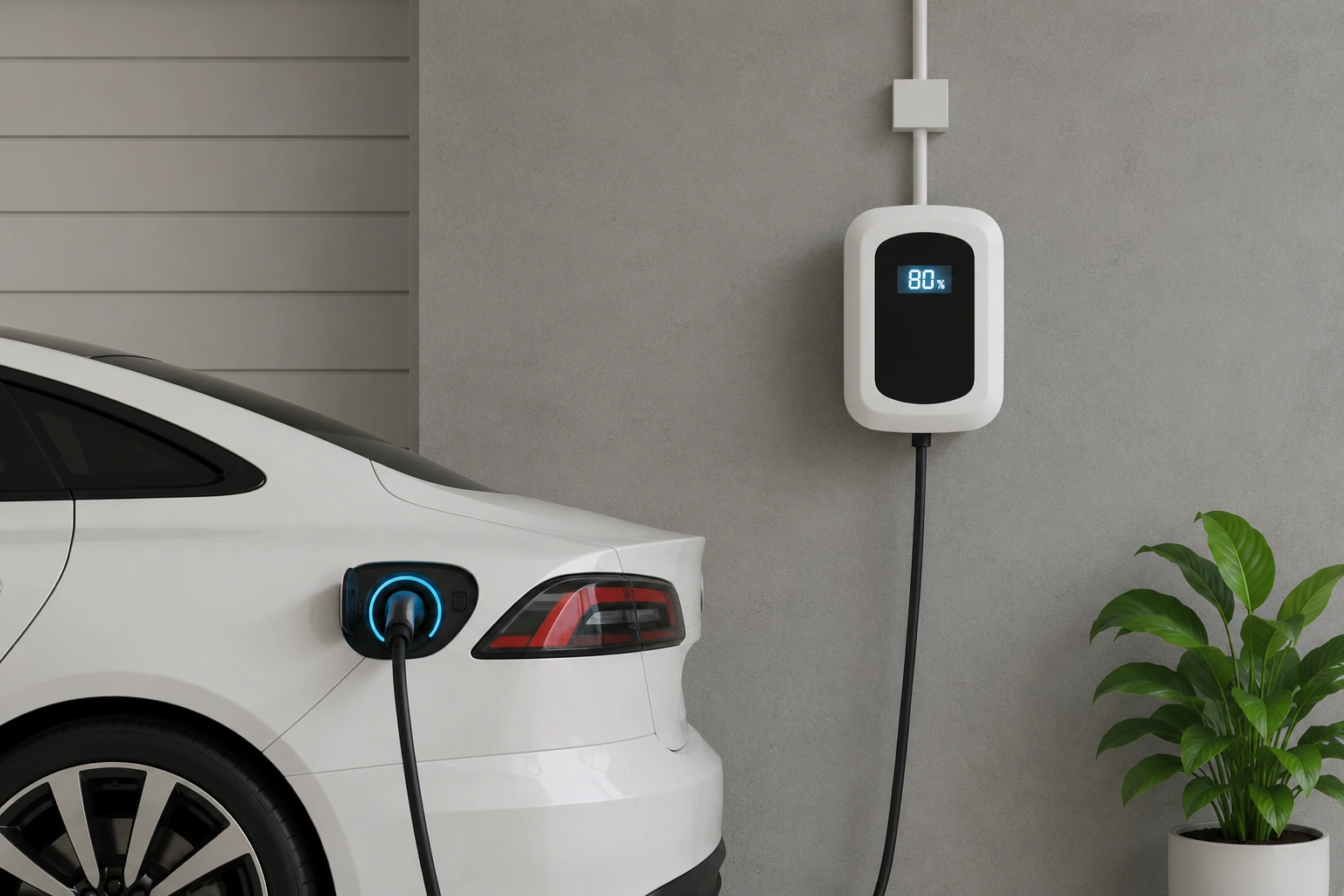
You have picked your EV, maybe even chosen a wall charger, and then someone asks the question that stops most people in their tracks: can your switchboard handle it?
It is a fair question. A home EV charger is not like plugging in a kettle. It can draw a steady, heavy load for several hours at a time, often overnight while the rest of the house is also using power. Your switchboard is where all of that comes together, so it needs to be up to the job.
The good news is that plenty of Melbourne homes can take an EV charger without a full switchboard upgrade. Here is how to tell where yours sits, and what your options are if it needs some work.
Not Sure If Your Switchboard Is Ready?
Call Us On
Why the switchboard matters for EV charging
Every EV charger should run on its own dedicated circuit from the switchboard. That circuit needs space on the board, the right circuit breaker and the right safety switch protection.
The switchboard also has to cope with the total load of the house. A 7kW charger running at night alongside ducted heating, a hot water system and an oven adds up quickly. If the board or the main supply is already close to its limit, adding a charger without a plan can lead to tripping, overheating or a charger that never runs at full speed.
Signs your switchboard may not be ready

From the switchboards we see across Melbourne’s eastern suburbs, these are the most common red flags:
- Ceramic fuses instead of circuit breakers: Older rewireable fuses offer far less protection and usually mean the board is overdue for an upgrade.
- No spare space: If every slot on the board is full, there is nowhere to fit the new EV circuit without changes.
- Missing or outdated safety switches: Many older homes have only one safety switch, or none at all. New EV circuits need proper residual current protection.
- Breakers that trip often: If your power already trips when a few appliances run together, adding an EV charger will make it worse.
- Heat, buzzing or scorch marks: Any sign of heat damage or burning smells needs attention straight away, EV or not.
- A very old board: Boards from several decades ago can have brittle wiring or older backing materials that should be checked before any new work is added.
If you notice any of these, do not try to judge the fix yourself. A licensed electrician needs to look at the board in person.
A quick check you can do at home
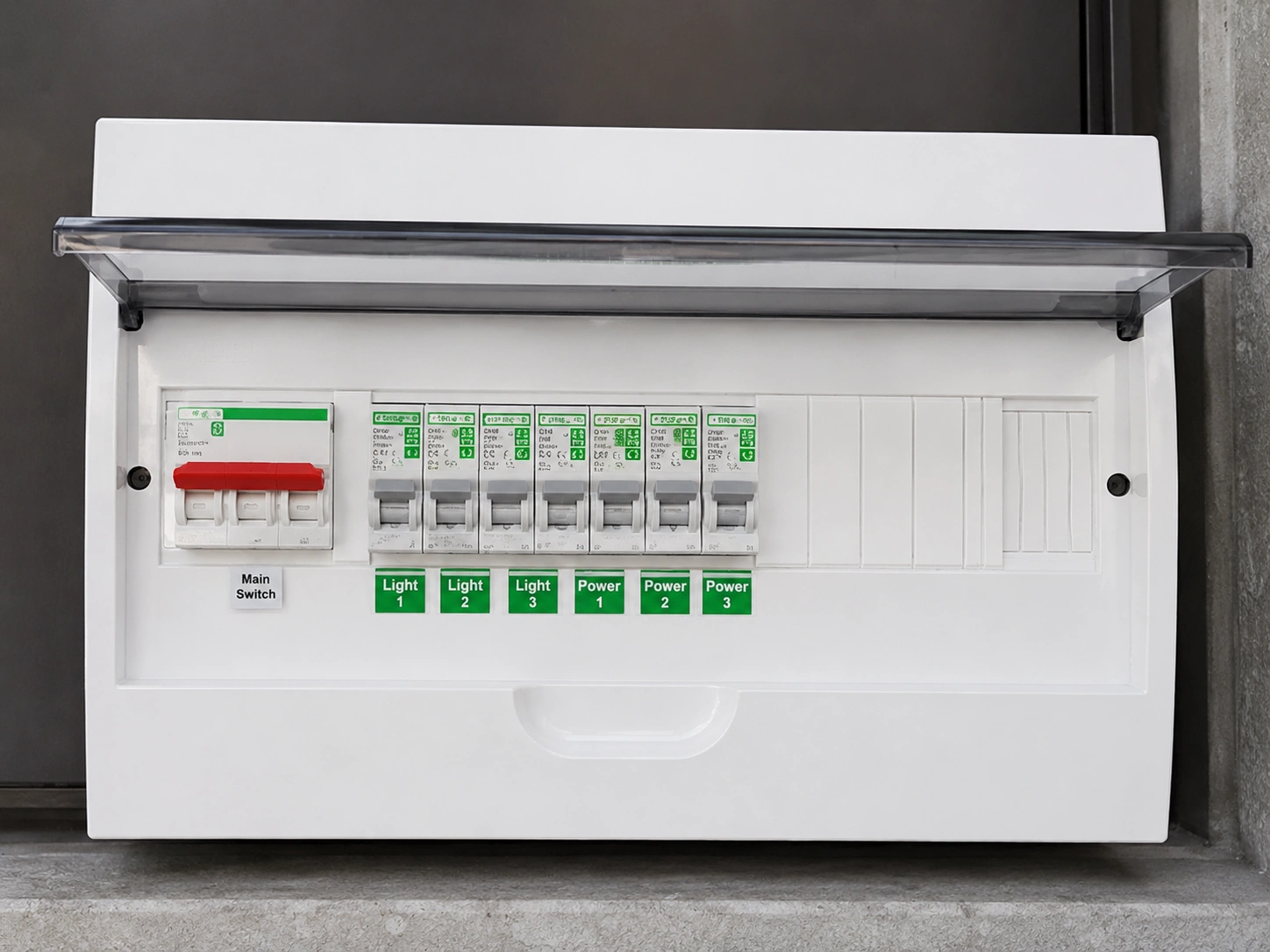
Open your switchboard cover and look for the main switch. One main switch usually means single phase power, while three side by side normally points to three phase. Most Melbourne homes are single phase, and a single phase supply comfortably supports a typical 7kW wall charger.
Then look at whether there are empty slots, and whether you can see safety switches marked with a test button. This will not answer the question on its own, but it helps you have a clearer conversation with your electrician.
What an electrician checks
When we assess a home for an EV charger, we look at the switchboard and the supply as one system. That includes:
- Main supply capacity: How much power your home can draw from the street, and how much is already being used.
- Existing load: Large appliances such as ducted heating, air conditioning, induction cooktops and pool pumps all affect what is left for the charger.
- Board condition and space Whether there is room for a new circuit and whether the existing equipment is safe to keep.
- Protection: The right circuit breaker and safety switch for your specific charger, as some chargers have built-in DC fault detection and others do not.
- Cable route: The distance and path from the switchboard to the garage or carport.
- Phase: Whether you have single phase or three phase, and whether that suits the charger you want.
We check all of this before quoting, so you are not hit with a surprise upgrade halfway through the job.
What if your switchboard can’t handle it?
A board that is not ready does not always mean a full replacement. Depending on what we find, the options usually include:
- Adding the circuit to your existing board: If there is space and the board is in good condition, this is often the simplest fix.
- A partial upgrade: Replacing old fuses, adding safety switches or extending the board to make room for the new circuit.
- Load management: A load management device can adjust the charging rate when the rest of the house is drawing heavy power. In some homes, this is a smarter and cheaper fix than a full upgrade.
- Lowering the charger’s maximum current: Many wall chargers can be set to charge at a lower rate, which still fully charges most cars overnight.
- A full switchboard upgrade: For older or unsafe boards, a new switchboard is the right call. It also leaves room for future additions such as solar, a battery or a second EV.
The best option depends on your home, your car and how far you drive each day. There is no point paying for a full upgrade if a simpler solution will do the job safely.
Don’t skip the switchboard check
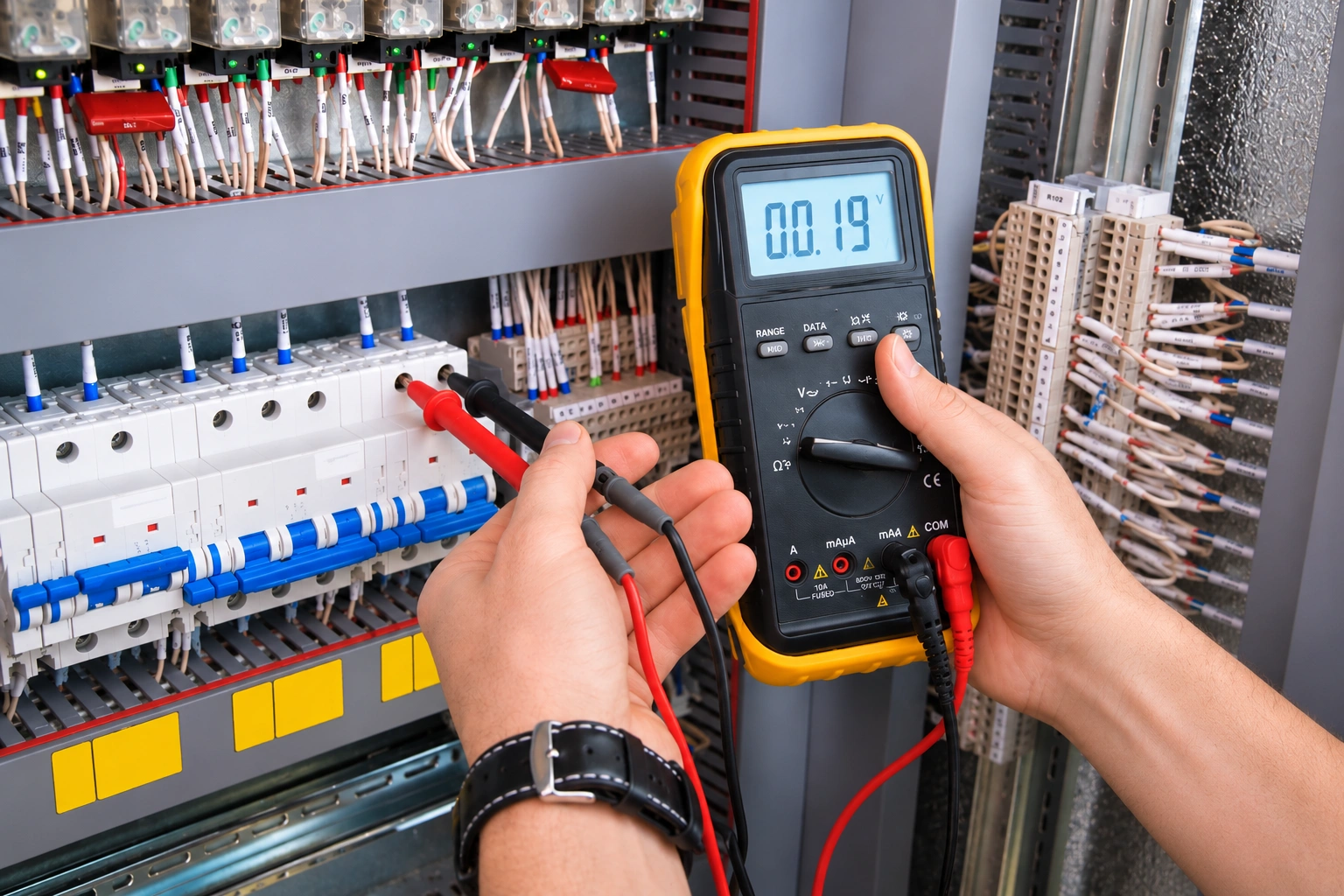
It can be tempting to buy a charger online and ask someone to “just wire it in”. EV chargers must be installed by a licensed electrician and wired to the AS/NZS 3000 wiring rules. A rushed job on an unsuitable switchboard puts your home, your car and your warranty at risk.
When you book our EV charger installation, a switchboard capacity check is part of the service. We confirm what your board can handle, explain any work it needs in plain terms, and give you a clear price before we start.
Find out if your switchboard is EV-ready
Thinking about a home EV charger? Our licensed electricians can check your switchboard, supply and charger location and tell you exactly what your home needs, with no pressure to upgrade more than necessary.
Contact Espresso Electrical or call 0478 799 972 for a free, no-obligation quote across Melbourne’s eastern suburbs.
Get Your Switchboard Checked Before You Charge
Call Us On